Go Outdoor
Forceatt Camping Tent Review: Waterproof Ratings, Specs, and Design Breakdown


Updated · Research-based review – how we review
Disclosure: As an Amazon Associate, GoOutdoor earns from qualifying purchases. If you buy through links on this page, we may earn a small commission at no extra cost to you. Learn more.


Forceatt Camping Tent Review: Architecture, Weatherproofing, and Field Utility
Editorial analysis by the outdoor gear team at GoOutdoor – Gear for Every Journey.
Practical Trail Protection Without Unnecessary Complexity
Pitching camp at the end of a long travel day should not feel like an engineering puzzle. When unpredictable weather rolls in, shelter performance depends entirely on structural stability, fabric coatings, and quick pole deployment. Campers often face a difficult trade-off: flimsy department-store tents with brittle fiberglass frames on one end, and costly technical expedition shelters on the other.
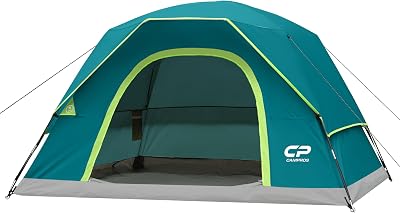
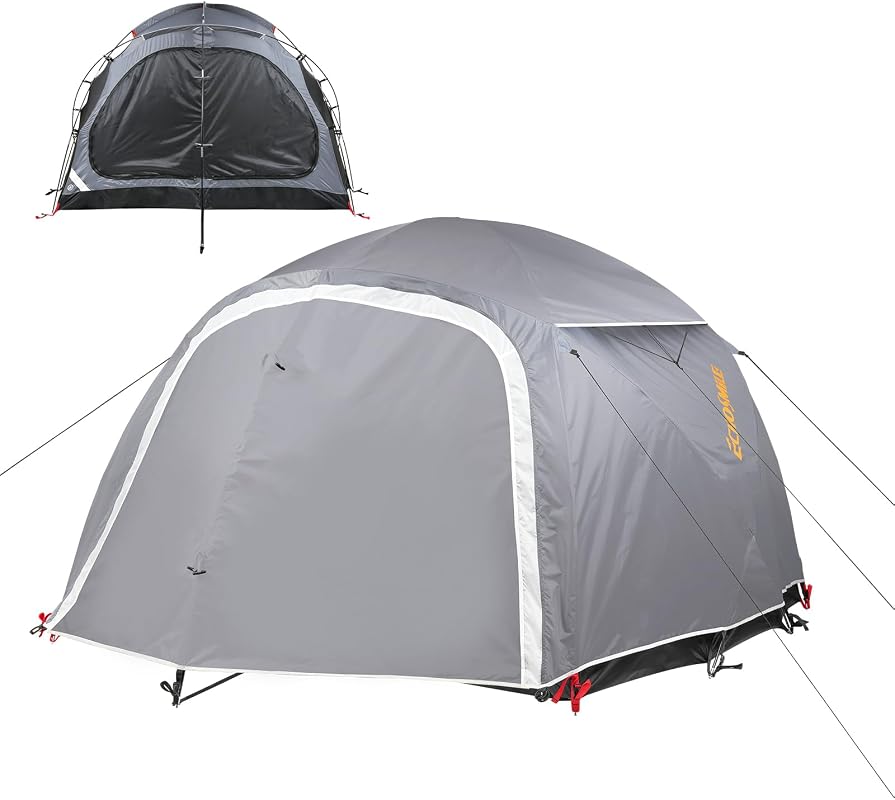
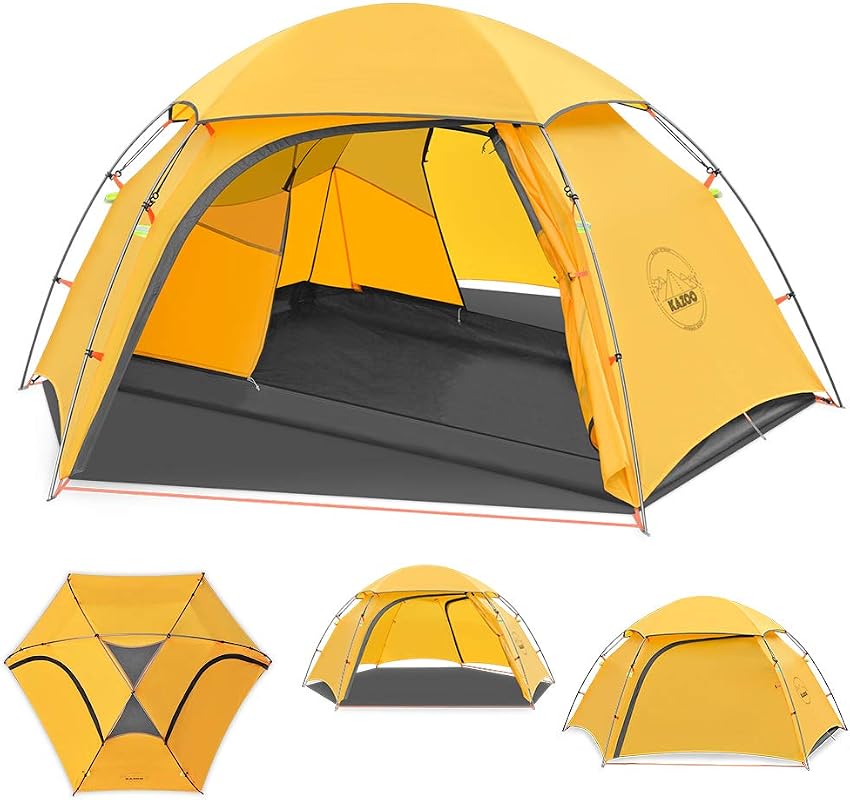
The Forceatt Camping Tent targets that middle ground. Available in 2-person and 3/4-person configurations, this freestanding dome shelter pairs 7001 series aluminum poles with high-index waterproof coatings. Designed for recreational car campers, casual backpackers, and weekend travelers who require dependable rain protection and straightforward pitching, it focuses on functional fundamentals over marketing gimmicks.
📋 Who It’s For / Who Should Skip It
Who it’s for:
- Campers seeking a genuinely waterproof camping tent with a 3000mm rainfly and a 5000mm floor.
- Hikers and weekend campers looking for durable 7001 aluminum poles rather than fracture-prone fiberglass.
- Pairs and small groups who prioritize dual doors and twin vestibules for independent gear storage and exit access.
Who should skip it:
- Mountaineers planning winter alpine expeditions where heavy snow loading demands a dedicated four-season geometric frame.
- Ultralight thru-hikers who require sub-kilogram single-wall shelters such as specialized trekking-pole tarps.
- Campers seeking an instant pop-up shelter that requires zero pole assembly, such as the Reactive Outdoor 3-Second Tent.
Key Structural Features and Materials
1. 7001 Series Aluminum Alloy Pole Architecture
Entry-level recreational tents frequently rely on fiberglass poles, which are heavy and prone to splintering under wind loads. The Forceatt tent upgrades to 7001 Series Aluminum. This alloy provides a high strength-to-weight ratio and maintains flexural resilience during gusty conditions, keeping the skeleton intact when sudden crosswinds hit the canopy.
2. 3000mm to 5000mm Polyurethane Waterproof Coatings
Effective water resistance requires both impermeable outer fabric and an reinforced tub floor. The Forceatt outer rainfly utilizes 75D polyester fiber with a 3000mm hydrostatic head rating, shedding continuous rainfall before moisture saturates the threads. Underneath, the floor tub is treated to withstand up to 5000mm of hydrostatic pressure, preventing groundwater seepage under body weight. Pair this with reliable sleeping pads and quality sleeping gear for optimal ground insulation.
3. High-Density Mesh Canopy and Dual Cross-Ventilation
The interior canopy incorporates extensive high-density micro-mesh panels. This construction promotes passive airflow between the inner tent and outer fly, mitigating internal condensation buildup during humid nights. The mesh also functions as a reliable insect barrier while providing full overhead visibility when the rainfly is removed during clear summer evenings.
Forceatt Tent: Technical Specifications Table
| Specification | 2-Person Details | 3/4-Person Details |
|---|---|---|
| Weight | 5.5 lbs (2.5 kg) | 6.8 – 7.5 lbs |
| Fabric Material | 75D Polyester Fiber | 75D Polyester Fiber |
| Waterproof Index | 3000mm (Rainfly) / 5000mm (Floor) | 3000mm (Rainfly) / 5000mm (Floor) |
| Frame Structure | 7001 Aluminum Poles | 7001 Aluminum Poles |
| Entry & Storage | 2 Doors / 2 Vestibules | 2 Doors / 2 Vestibules |
Tent space planner: how many people really fit?
Person ratings usually assume sleepers lying shoulder to shoulder with no gear. Enter the floor size and the sleeping pads you actually use to see how the space works out.
Planning guide only: sloped walls reduce usable space near the edges, and pads must fit the floor's real shape. Measure your pads – sizes vary by brand.
Head-to-Head: Forceatt Camping Tent vs. Naturehike Mongar UL
Choosing between a budget-friendly all-rounder and a lightweight backpacking shelter depends on trail priorities. Here is how the Forceatt compares structurally to the Naturehike Mongar UL Backpacking Tent:
| Feature | Forceatt Camping Tent | Naturehike Mongar UL |
|---|---|---|
| Shelter Category | Recreational Camping & Weekend Trekking | Freestanding Lightweight Backpacking |
| Canopy Fabric | 75D Polyester Fiber | 15D Silicone-Coated Nylon |
| Waterproof Floor | 5000mm Tub Floor | Silicone-Coated Lightweight Base |
| Pole Material | 7001 Aluminum | Aluminum Alloy Dual-Pole System |
| Vestibule Configuration | 2 Side Doors / 2 Vestibules | 2 Side Doors / 2 Vestibules |
Check Specifications and Current Availability
Explore sizing options, color choices, and delivery timelines directly on Amazon.
Field Setup and Care Guidelines
- Illumination Placement: Suspend compact lanterns from the integrated ceiling loop. For illumination ideas, see our guide to portable camp lighting options.
- Vestibule Management: Utilize the dual exterior vestibules for muddy hiking boots, packs, or outdoor equipment to keep the interior floor clean and dry.
- Packing Discipline: Loosely fold the 75D polyester canopy rather than forcing sharp creases in the waterproof coatings, ensuring longevity for the factory seam seals.
Frequently Asked Questions